Industrial Heat Insulation Solutions for Energy-Efficient Buildings
How to Insulate Industrial Buildings: Complete Guide to Industrial Heat Insulation Solutions by Alfatherm Insulation
How to Insulate Industrial Buildings: A Complete Guide to Industrial Heat Insulation Solutions
Industrial buildings are constantly exposed to harsh environmental conditions, fluctuating temperatures, and high energy consumption. Whether it’s a manufacturing facility, warehouse, processing plant, or commercial unit, maintaining the right indoor temperature is essential for operational efficiency and cost savings. This is where industrial heat insulation solutions play a significant role.
At Alfatherm Insulation, we specialize in providing premium insulation materials designed to improve thermal efficiency, reduce energy costs, and protect industrial infrastructure. If you’re wondering how to insulate industrial buildings, this comprehensive guide will help you understand the importance of industrial insulation, the available materials, installation methods, and the long-term benefits.
Why Industrial Building Insulation is Important
Industrial facilities often operate machinery that generates excessive heat. Without proper insulation, valuable energy escapes through roofs, walls, pipes, ducts, and equipment, resulting in increased operating costs.
Proper insulation helps businesses:
- Reduce energy consumption
- Improve thermal efficiency
- Maintain consistent indoor temperatures
- Protect machinery and equipment
- Increase employee comfort
- Reduce carbon emissions
- Prevent condensation and moisture damage
- Extend the lifespan of industrial structures
Investing in quality industrial heat insulation solutions is one of the smartest decisions for long-term savings and sustainability.
How to Insulate Industrial Buildings Effectively
Understanding how to insulate industrial buildings begins with identifying the areas where heat loss occurs.
1. Roof Insulation
Industrial roofs receive direct sunlight throughout the day, making them one of the largest sources of heat gain.
Using reflective insulation materials can:
- Reflect radiant heat
- Lower indoor temperatures
- Reduce HVAC workload
- Improve employee comfort
Roof insulation is especially important in factories, warehouses, logistics centers, and manufacturing plants.
2. Wall Insulation
Walls contribute significantly to heat transfer.
Installing thermal insulation inside wall panels helps:
- Prevent heat loss
- Improve indoor temperature stability
- Enhance building efficiency
- Reduce air conditioning costs
3. Pipe Insulation
Hot and cold pipelines require insulation to maintain process temperatures.
Benefits include:
- Reduced heat loss
- Improved energy efficiency
- Prevention of condensation
- Personnel safety
- Lower maintenance costs
4. HVAC Duct Insulation
Air conditioning systems lose efficiency when ducts are not insulated.
Proper duct insulation helps:
- Maintain airflow temperature
- Reduce cooling losses
- Improve HVAC efficiency
- Lower electricity bills
5. Equipment Insulation
Industrial boilers, tanks, reactors, furnaces, and process equipment require specialized insulation.
Equipment insulation provides:
- Thermal protection
- Improved process efficiency
- Reduced heat radiation
- Enhanced worker safety
Best Industrial Heat Insulation Solutions
Choosing the right insulation depends on your industry, operating temperature, and environmental conditions.
- Reflective Bubble Insulation
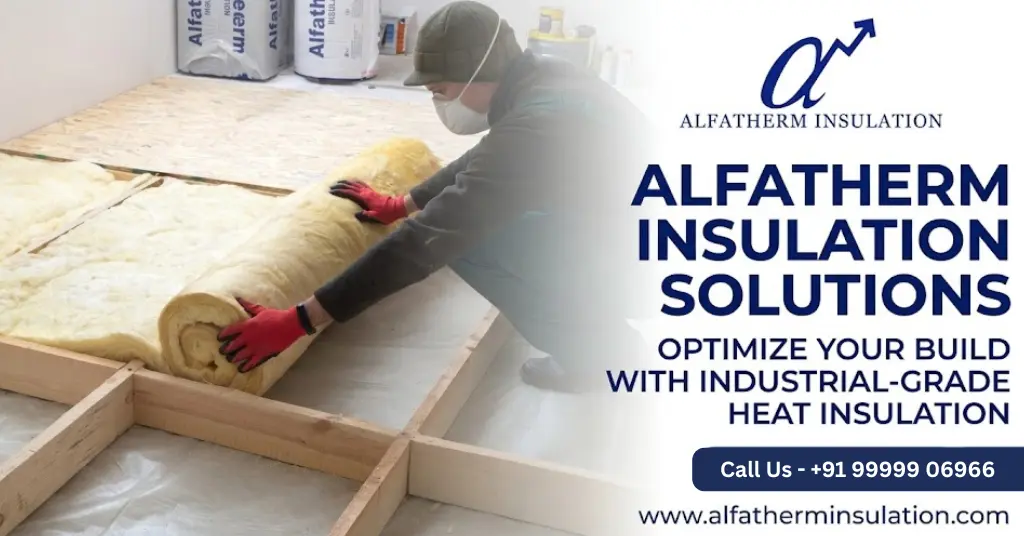
Reflective bubble insulation is one of the most popular choices for industrial buildings.
Advantages include:
- Lightweight
- Excellent thermal performance
- Moisture resistant
- Easy installation
- Corrosion resistant
- Long service life
It is widely used for roofs, walls, warehouses, and prefabricated structures.
- XLPE Insulation
Cross-linked polyethylene (XLPE) insulation offers outstanding thermal insulation along with sound absorption.
Applications include:
- HVAC systems
- Air ducts
- Industrial pipelines
- Clean rooms
- Commercial buildings
- Mineral Wool Insulation
Mineral wool is ideal for high-temperature industrial environments.
Features:
- Fire resistant
- Excellent thermal insulation
- Acoustic insulation
- Durable
- Moisture resistant
Used in:
- Boilers
- Furnaces
- Refineries
- Power plants
- Fiberglass Wool Insulation
Fiberglass insulation is widely used because of its affordability and excellent insulation properties.
Benefits:
- Low thermal conductivity
- Lightweight
- Fire resistant
- Easy installation
- Noise reduction
- Ceramic Fiber Insulation
Ceramic fiber insulation is designed for extremely high-temperature applications.
Industries using ceramic fiber include:
- Steel plants
- Glass manufacturing
- Cement plants
- Foundries
- Petrochemical industries
Benefits of Industrial Heat Insulation Solutions
Modern industrial heat insulation solutions provide multiple advantages beyond temperature control.
- Significant Energy Savings
Proper insulation can reduce energy consumption by up to 30–40%, depending on the building design and insulation material.
Lower Electricity Bills
Less heat transfer means HVAC systems operate more efficiently, reducing electricity expenses.
- Improved Productivity
Comfortable working environments improve employee efficiency and reduce fatigue.
- Environmental Sustainability
Energy-efficient buildings produce lower greenhouse gas emissions, supporting environmental goals.
- Longer Equipment Life
Maintaining stable operating temperatures reduces wear and tear on industrial machinery.
- Moisture Protection
Quality insulation minimizes condensation, preventing corrosion and mold growth.
Industries That Need Industrial Insulation
Almost every industrial sector benefits from thermal insulation.
Common industries include:
- Pharmaceutical Industries
- Chemical Plants
- Food Processing Units
- Textile Industries
- Automobile Manufacturing
- Warehouses
- Logistics Centers
- Cold Storage Facilities
- Power Plants
- Oil & Gas Industries
- Cement Plants
- Steel Manufacturing
- Electronics Manufacturing
- Packaging Industries
Why Choose Alfatherm Insulation?
Alfatherm Insulation is committed to delivering high-performance insulation products for industrial and commercial applications.
Our solutions are designed to maximize energy efficiency while ensuring durability and long-term performance.
We Offer:
- Premium quality insulation materials
- Customized insulation solutions
- Experienced technical support
- Competitive pricing
- Reliable product performance
- Timely delivery
- Solutions for every industrial application
Whether you require insulation for roofs, walls, ducts, pipelines, or high-temperature equipment, Alfatherm Insulation provides dependable products tailored to your operational needs.
Tips for Selecting the Right Industrial Insulation
When choosing insulation, consider the following factors:
- Operating temperature
- Moisture exposure
- Fire resistance requirements
- Thermal conductivity
- Installation complexity
- Maintenance requirements
- Environmental conditions
- Budget
- Expected service life
Consulting insulation experts ensures the best solution for your facility.
Maintenance of Industrial Insulation
Proper maintenance extends insulation performance.
Recommendations include:
- Inspect insulation annually
- Replace damaged sections promptly
- Protect insulation from water intrusion
- Check pipe insulation regularly
- Repair torn reflective insulation
- Clean insulated surfaces periodically
Routine maintenance ensures maximum energy savings throughout the insulation’s lifespan.
Future of Industrial Heat Insulation Solutions
The insulation industry continues to evolve with advanced technologies.
Modern insulation materials now offer:
- Higher thermal efficiency
- Eco-friendly manufacturing
- Improved fire resistance
- Lightweight construction
- Better moisture protection
- Longer durability
- Lower maintenance costs
Businesses investing in innovative insulation solutions gain a competitive advantage through reduced operating expenses and improved sustainability.
Conclusion
Knowing how to insulate industrial buildings is essential for businesses aiming to improve energy efficiency, reduce operating costs, and create a safer, more comfortable working environment. From roof and wall insulation to pipe, duct, and equipment protection, the right insulation strategy can deliver long-term performance and measurable savings.
With advanced industrial heat insulation solutions from Alfatherm Insulation, industries can enhance thermal efficiency, protect valuable assets, and support sustainable operations. Whether you’re upgrading an existing facility or constructing a new industrial building, investing in high-quality insulation is a smart decision that pays off through lower energy consumption, improved productivity, and extended equipment life.
Choose Alfatherm Insulation as your trusted partner for reliable, durable, and energy-efficient industrial insulation solutions designed to meet the demands of modern industries.
0 comments